



Life After All on 4 Dental Implants in Costa Rica: The Long-Term Care Routine That Protects Your Investment
 You’ve made it through the procedure. Your All-on-4 dental implants are finally in place, and you’re standing at the threshold of a life-changing transformation.
But here’s what most people don’t realize until they’re sitting in recovery: getting the implants was just the beginning.
The real question keeping you up at night isn’t about the surgery itself—it’s about what comes next.
How do you protect this significant investment?
What does recovery after dental implants actually look like day by day?
And most importantly, how do you make sure your Costa Rica dental implants last for decades, not just years?
Here’s the truth: thousands of patients choose Costa Rica for their full mouth reconstruction, drawn by world-class care at a fraction of North American prices.
But the success of your implants doesn’t end when you leave the dental chair. What happens in the weeks, months, and years that follow determines whether you’ll enjoy your new smile for a lifetime or face costly complications down the road.
This guide walks you through everything, from managing those first 48 hours to building daily habits that keep your investment secure. Ready to master the aftercare game?
Let’s get into it.
⏰ The First 24-48 Hours: What Your Body Is Actually Doing
 Right after your All-on-4 dental implants procedure, your body kicks into healing mode. Think of it like this: your jawbone just received four titanium posts, and now it’s working overtime to fuse with them through a process called osseointegration. During these critical first hours, every decision you make either supports or sabotages this process.
Expect these sensations:
- Moderate swelling around your jaw and cheeks (totally normal)
- Some bleeding or oozing from the surgical sites
- Numbness that gradually fades over 4-6 hours
- Fatigue from the anesthesia and procedure stress
Your action plan:
- Apply ice packs for 20 minutes on, 20 minutes off during waking hours
- Keep your head elevated even when sleeping—use 2-3 pillows
- Take prescribed pain medication before the anesthesia fully wears off
- Stick to cold liquids only, think protein shakes, bone broth, or smoothies
Skip the temptation to “check” your new implants with your tongue. Your curiosity can wait. Right now, stability is everything.
🥣 Days 3-7: The Swelling Peak and Soft Food Introduction
 Here’s something nobody warns you about: day three is often when swelling peaks, not day one.
Don’t panic if you wake up looking like you stored golf balls in your cheeks. This is your body’s inflammatory response hard at work, and it’s actually a sign of proper healing.
Pain management during week one:
- Rotate between prescribed painkillers and anti-inflammatories as directed
- Continue ice therapy through day three
- Switch to warm compresses after day four to improve circulation
- Set phone reminders for medication. Pain control works best when you stay ahead of it
Dietary transitions: Start introducing lukewarm soft foods around day four.
Your menu expands from liquids to include:
- Mashed potatoes with gravy
- Scrambled eggs (let them cool slightly)
- Greek yogurt with mashed banana
- Well-cooked oatmeal
- Cottage cheese
- Protein-rich soups (avoid anything requiring chewing)
The golden rule: If it requires biting or significant chewing, save it for later. Your temporary prosthesis needs time to settle, and the surgical sites need protection from mechanical stress.
😁 Weeks 2-6: Building Your Daily Care Routine
 By week two, you’re probably feeling more like yourself. The swelling’s down, pain is manageable, and you’re itching to get back to normal life. This is when long-term care habits need to become automatic.
Your Costa Rica dental implants can last 20+ years, but only if you treat them right from the start.
Morning and evening cleaning protocol:
- Rinse with antimicrobial mouthwash (alcohol-free only—alcohol dries out tissues)
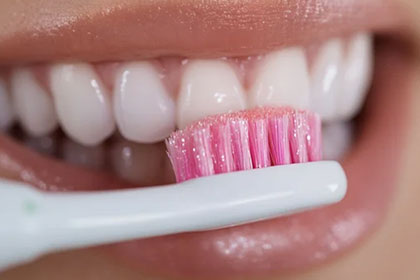
- Use a soft-bristled electric toothbrush set to gentle mode
- Brush for a full two minutes, paying special attention to the gumline where the prosthesis meets tissue
- Water flosser at medium pressure—aim the stream along the gumline and between teeth
- Interdental brushes for hard-to-reach areas around abutments
- Final rinse with prescribed chlorhexidine if your dentist recommended it
Products you need to buy before leaving Costa Rica:
- Soft-bristled or extra-soft toothbrush (replace every 6-8 weeks)
- Water flosser with multiple pressure settings
- Interdental brush kit with various sizes
- Non-abrasive toothpaste (avoid whitening formulas—they’re too harsh)
- Antimicrobial, alcohol-free mouthwash
- Proxy brushes for cleaning under the prosthesis bridge
💎 Months 2-6: The Osseointegration Phase
 While you’re getting comfortable with your new smile, something remarkable is happening beneath the surface. Your jawbone is literally growing around those titanium posts, creating a bond stronger than the one between natural teeth and bone. This process, called osseointegration, takes roughly 3-6 months to complete.
What you can do to support bone integration:
- Nutrition matters more than you think. Your body needs specific building blocks to create healthy bone tissue:
- Calcium-rich foods: Dairy, leafy greens, sardines with bones
- Vitamin D: Fatty fish, egg yolks, fortified foods (or supplements if you’re deficient)
- Protein: Aim for 0.8-1 gram per pound of body weight
- Vitamin C: Citrus fruits, bell peppers, strawberries—crucial for collagen production
- Phosphorus: Meat, fish, nuts, beans
Lifestyle choices that impact healing:
- Quit smoking—seriously, this isn’t negotiable. Nicotine constricts blood vessels, cutting oxygen flow to healing tissues and dramatically increasing failure rates
- Limit alcohol to special occasions only during the first six months
- Manage stress through exercise, meditation, or therapy—chronic stress impairs immune function and slows healing
- Get quality sleep—your body does its deepest repair work while you’re unconscious
Red flags to watch for:
- Persistent bad taste or odor despite good hygiene
- Increasing pain after the first week
- Prosthesis feeling loose or shifting
- Pus or unusual discharge
- Fever above 100.4°F (38°C)
Spot any of these warning signs? Contact your dental team immediately. Catching problems early can mean the difference between a simple fix and a failed implant.
✈️ The First Year: Check-ins and Adjustments
 Here’s where planning for Costa Rica dental implants is required.
Typical follow-up schedule:
- 2-week post-op check: Usually conducted before you leave Costa Rica or via video call
- 3-month evaluation: X-rays to confirm osseointegration progress
- 6-month visit: Permanent prosthesis placement and bite adjustment
- 1-year check-up: Comprehensive evaluation of implant health and surrounding tissues
Making international follow-ups work:
Many patients combine their dental appointments with vacation time. Why not? You’re already traveling to one of the most beautiful countries on Earth.
Plan your 6-month permanent prosthesis appointment around a beach getaway or rainforest adventure. Your dental clinic can help coordinate scheduling.
Between visits, work with your local dentist for:
- Professional cleanings (every 6 months minimum)
- X-rays if problems arise
- Emergency issues that can’t wait for international travel
- Choose a local dentist familiar with implants before you need one.
Explain that you have All-on-4 dental implants placed internationally and ask if they’re comfortable providing maintenance care.
Most dentists are happy to help, especially when you have complete records from your Costa Rica team.
🎯 Years 2+: Your Long-Term Maintenance Game Plan
 Congratulations, you’ve made it through the critical first year. Your implants are fully integrated, your permanent prosthesis fits like a dream, and you’ve forgotten what life was like with failing teeth.
But here’s the catch: dental implants aren’t maintenance-free. They’re low-maintenance, not no-maintenance.
Your twice-yearly professional cleaning is non-negotiable.
Find a hygienist who has experience with implants. They’ll use specialized tools, plastic scalers instead of metal ones to clean around your prosthesis without scratching the titanium or zirconia surfaces.
Scratches create bacterial hiding spots, and bacteria lead to peri-implantitis, the number one cause of late-stage implant failure.
Daily care stays the same:
- Morning and evening brushing (two minutes each time)
- Water flossing after every meal if possible, minimum twice daily
- Interdental brushing to clean where the water flosser can’t reach
- Regular inspection in good lighting for any changes
Watch your diet, not for calories, but for implant safety.
Avoid these habits:
- Chewing ice (seriously, break this habit now)
- Hard candies that require extended chewing
- Opening packages with your teeth (use scissors like a civilized human)
- Biting directly into whole apples or corn on the cob, cut them into smaller pieces first
Foods and drinks that require caution:
- Red wine, coffee, dark berries: They won’t damage implants, but they can stain your prosthesis. Rinse with water after consuming
- Acidic foods: Citrus, tomatoes, vinegar in moderation; excessive acidity can affect the surrounding gum tissue
- Extremely hard nuts: Chew carefully and use your back teeth
The reality check: You can eat virtually anything with All-on-4 dental implants, but use common sense. If you wouldn’t bite into something with healthy, natural teeth, don’t do it with implants.
🚨 Recognizing Warning Signs Before They Become Problems
 Most implant complications are preventable when caught early. Train yourself to notice subtle changes before they escalate into expensive emergencies.
Check for these monthly:
- Gum recession around the implant sites. Does more metal show than before?
- Color changes in gum tissue: healthy gums are pink; red, purple, or white patches signal problems
- Mobility: your prosthesis should never wiggle or feel loose
- Sensitivity to hot or cold that wasn’t there before
- Bleeding during normal cleaning (occasional slight bleeding is okay; consistent bleeding is not)
The annual professional evaluation should include:
- Full-mouth X-rays to check bone levels around implants
- Bite analysis to ensure forces are distributed evenly
- Prosthesis inspection for wear, cracks, or loose components
- Soft tissue health assessment
- Cleaning that goes deeper than your home routine can achieve
Think of these check-ups like changing your car’s oil. Skip them, and you might run fine for a while, until you don’t. Regular maintenance catches small issues when they’re cheap and easy to fix.
😊 The Psychological Shift: Living Confidently With Your New Smile
 Let’s talk about something most clinical guides skip: the mental adjustment. You’ve invested in Costa Rica dental implants, and they’ve transformed your appearance. But confidence doesn’t always arrive the moment your smile does.
Permit yourself to adjust. Some patients feel awkward smiling widely at first—like they’re showing off or drawing attention. Others catch their reflection and don’t immediately recognize themselves. This is normal. Your brain needs time to update its self-image.
Practice smiling in private. Stand in front of a mirror and just… smile. Laugh at yourself. Make faces. Get comfortable with how your mouth moves now. The mechanics are slightly different, and muscle memory takes a few weeks to catch up.
Talk openly. Your speech might sound slightly different initially as your tongue adjusts to the new hardware. Practice by reading aloud, talking on the phone, or chatting with patient friends. Within a few weeks, your articulation normalizes completely.
Enjoy the foods you’ve missed. Make a list of everything you couldn’t eat comfortably before—crunchy vegetables, a perfect steak, fresh bread with a crusty exterior. Work through that list slowly, savoring each experience. This is what you invested in: not just a smile, but a quality of life upgrade.
🏥 Why Flikier Dental Institute Is Your Partner in This Journey
 When you’re trusting someone with a procedure this life-changing, you need more than technical skill—you need a team that understands the entire experience from consultation through decades of aftercare.
Flikier Dental Institute represents the pinnacle of implant dentistry in Costa Rica, combining cutting-edge technology with the personalized care that makes medical tourism not just affordable but genuinely exceptional. Their approach goes beyond placing titanium posts in your jaw.
They’re architecting complete smile transformations using:
- 3D surgical planning software that maps your procedure with millimeter precision before the first incision
- Computer-guided implant placement for accuracy that human hands alone can’t match
- Premium implant systems from Nobel Biocare and Straumann—the same brands used by top U.S. dental practices
- On-site dental laboratory crafting custom prostheses while you recover, eliminating shipping delays
- Bilingual care coordinators who manage every detail of your dental tourism experience
But here’s what really sets Flikier apart: they don’t just send you home with instructions and hope for the best.
Their comprehensive aftercare program includes:
- Detailed written care protocols customized to your specific case
- 24/7 emergency contact line for post-procedure concerns
- Telehealth follow-ups are included in your treatment package
- Coordination with your local dentist back home
- Lifetime support for questions about your implants
The tourism experience matters too. Choosing Costa Rica dental implants means combining world-class dental care with an unforgettable vacation.
Flikier’s care coordinators help you arrange:

- Airport transfers in comfortable, air-conditioned vehicles
- Accommodation near the clinic (they partner with recovery-friendly hotels that understand post-procedure needs)
- Activity planning for your companion while you’re in appointments
- Restaurant recommendations for every stage of your dietary restrictions
- Tourist excursions are scheduled around your treatment timeline
Want to see volcanoes, relax on pristine beaches, or explore cloud forests? Your dental team helps make it happen. They understand you’re not just a patient, you’re a visitor to their beautiful country, and they want you to experience everything it offers safely and comfortably.
Cost transparency is part of the Flikier philosophy.
No surprise bills, no hidden fees, no confusing insurance games. You receive a detailed quote upfront covering everything from surgery to permanent prosthesis placement.
Most patients save 50-70% compared to identical treatment in the U.S. or Canada, even after factoring in travel costs.
Check one of our most recent patient reviews, and you’ll find a common theme: people rave about the clinical results, but they remember the experience—the warmth of the staff, the genuine care, the feeling of being treated like family rather than case number 4,582.
🌟 Your Investment, Your Responsibility, Your Reward
 Let’s bring this full circle. Your All-on-4 dental implants represent a significant financial investment, typically $15,000-$25,000 in Costa Rica compared to $50,000-$100,000+ in North America.
But the real investment isn’t measured in dollars. It’s measured in years of confident smiling, comfortable eating, and improved quality of life.
Protecting that investment requires daily discipline. Two minutes of brushing twice a day. Regular water flossing.
Six-month professional cleanings. Annual comprehensive evaluations. These aren’t suggestions; they’re the price of admission for implant longevity.
The payoff? Dental implants can last 25+ years when properly maintained.
Some studies show implants placed in healthy patients with good oral hygiene can function for life.
Compare that to traditional dentures, which need replacing every 5-7 years, or dental bridges that typically last 10-15 years before requiring replacement.
Do the math. Spend 10 minutes daily on proper care now, or spend tens of thousands later replacing failed implants and dealing with bone loss complications. The choice is yours, but the math doesn’t lie.
Your new smile is waiting to serve you well.
Feed it the right foods. Clean it properly. Protect it from trauma. Show it off proudly. And when your fifth anniversary rolls around, and your implants look and function as beautifully as the day they were placed, you’ll understand: the maintenance wasn’t a burden. It was a small price for freedom.
Ready to start your transformation?
Contact Flikier Dental Institute today for a free virtual consultation.
Share your X-rays, discuss your goals, and get a transparent quote, no obligation, no pressure.
Your journey to a permanent, confident smile begins with a single conversation. Make the call that changes everything.
 Or Call Toll Free 1-866-638-1102


 If your file is bigger than 20 Megs you can use our Dropbox account.
