



Osseointegration Explained: The Science Behind Successful Dental Implants in Costa Rica
 You’re missing teeth, struggling with dentures that slip at the worst moments, or facing the reality of full mouth reconstruction.
You’ve heard about dental implants and how they can change your life, but here’s what nobody tells you: the real magic isn’t just in the titanium screw your dentist places in your jaw.
The true miracle occurs at the microscopic level, where your body performs an extraordinary feat of biological engineering known as osseointegration.
Here’s the problem: Most people drop thousands of dollars on Costa Rica dental implants without understanding why they work, or worse, why they sometimes fail.
You’re told to “wait for healing,” but what’s actually happening beneath your gums? Why does a metal post become as permanent as your natural tooth root?
At Flikier Dental Institute, we believe you deserve to know the science behind your smile transformation.
We’ve seen patients fly in from across North America seeking affordable, world-class care, and they all ask the same question: How can I be sure these implants will last?
The answer lies in understanding the osseointegration process, the biological phenomenon that separates successful, long-lasting implants from expensive failures.
Let’s break down exactly how your body turns surgical-grade titanium into a permanent part of your jawbone.
🔬What Is Osseointegration? The Foundation of Dental Implant Success
 Think of osseointegration as your body’s way of “adopting” a foreign object.
The term literally means “bone integration,” and it describes the process where living bone cells grow directly onto and into the surface of a titanium implant.
No soft tissue barrier. No scar tissue. Just pure, direct bone-to-metal fusion.
Swedish orthopedic surgeon Per-Ingvar Brånemark discovered this phenomenon by accident in 1952 while studying blood flow in rabbit bones.
He couldn’t remove the titanium chambers he’d implanted; the bone had fused completely to them. That happy accident revolutionized modern dentistry and gave birth to the dental implant industry we know today.
Here’s what makes osseointegration remarkable: Your body doesn’t reject the implant or wall it off with fibrous tissue. Instead, bone cells called osteoblasts treat the titanium surface like it belongs there.
They deposit new bone matrix directly onto the implant, creating a structural bond stronger than many natural tooth roots.
⏰ The Three Phases of Osseointegration: What’s Happening Inside Your Jaw?
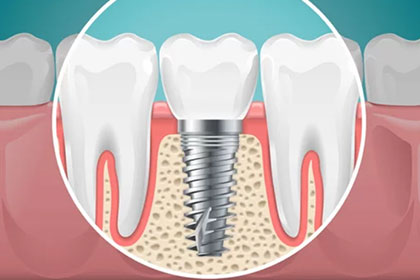
Phase 1: The Inflammatory Response (Days 1-7)
Right after your surgeon at Flikier Dental Institute places your implant, your body kicks into high gear. Blood clots form around the titanium post, and inflammatory cells rush to the site.
Don’t panic, this inflammation is your friend. It clears away damaged tissue and releases growth factors that signal bone-forming cells to start their work.
During this week, you’ll experience some swelling and discomfort. That’s your immune system doing its job. The blood clot around your implant acts like scaffolding, providing a framework for new bone to grow into.
Phase 2: New Bone Formation (Weeks 2-8)
This is where the real magic happens. Osteoblasts, your body’s bone-building cells, begin laying down new bone matrix around the implant surface.
They’re attracted to the titanium’s unique surface properties (more on this later). Simultaneously, special cells called osteoclasts remove any damaged bone from the drilling process.
Think of it like constructing a building: The osteoclasts are the demolition crew clearing the old structure, while the osteoblasts are the builders pouring the new foundation.
At Flikier Dental Institute, our specialists use advanced imaging to monitor this phase, ensuring your bone is developing correctly around each implant.
Phase 3: Bone Remodeling (Months 3-6+)
Your new bone isn’t done yet. Over the next several months, your body remodels the bone around the implant, strengthening the connection. The bone becomes denser and more organized. This is why we wait before loading your implant with a
permanent crown, we need that bone to reach maximum strength.
The osseointegration process typically takes 3-6 months for lower jaw implants and 4-6 months for upper jaw implants. Why the difference? Your upper jawbone is less dense, so it needs extra time to achieve the same stability.
🔩 The Science Behind Titanium: Why This Metal Becomes Part of You
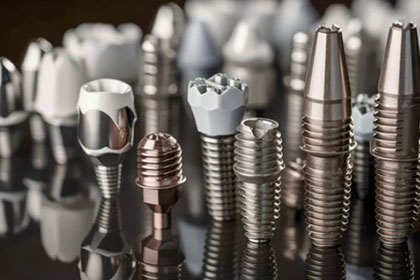 Not all metals can osseointegrate. So why does titanium work so well?
Biocompatibility: Titanium is one of the few materials your body doesn’t recognize as foreign. It doesn’t trigger a rejection response or cause allergic reactions in the vast majority of patients.
When exposed to oxygen, titanium forms a thin oxide layer that’s incredibly stable and resistant to corrosion.
Surface Properties: Modern dental implants aren’t smooth.
Look at them under a microscope, and you’ll see they’re covered in tiny pits, grooves, and textures.
This roughened surface gives bone cells something to grab onto, like how Velcro works.
At Flikier Dental Institute, we use implants with scientifically optimized surface treatments that accelerate bone attachment and increase the contact area between bone and metal.
Mechanical Strength: Titanium matches bone’s mechanical properties beautifully.
It’s strong enough to handle chewing forces (up to 200 pounds per square inch for molars) yet flexible enough to distribute stress without causing bone loss around the implant.
🌴 What Makes Costa Rica Dental Implants at Flikier Dental Institute Different?
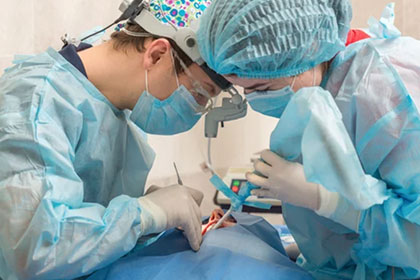 You’re probably wondering: Can I trust Costa Rica dental implants to deliver the same quality as procedures back home, at a fraction of the cost?
Here’s the truth: Flikier Dental Institute isn’t cutting corners to offer you savings of 50-70% compared to US and Canadian prices.
We’re leveraging Costa Rica’s lower operational costs while maintaining the highest international standards.
Our Osseointegration Success Formula:
State-of-the-Art Technology: We use 3D CBCT imaging to plan your implant placement with millimeter precision.
This ensures your implants are positioned at the optimal angle and depth for maximum bone contact. Better positioning means better osseointegration and longer-lasting results.
Premium Implant Systems: We exclusively use FDA-approved, top-tier implant brands with decades of clinical research backing their osseointegration success rates, like the NOBEL® Implants concept
These aren’t generic imports; they’re the same systems used by leading dental practices worldwide.
Biological Optimization: Our specialists assess your bone density, overall health, and healing factors before surgery.
If your bone needs augmentation, we offer advanced grafting techniques that create the ideal environment for osseointegration.
Some patients require sinus lifts or ridge augmentation—procedures we perform routinely with exceptional success rates.
Customized Healing Protocols: Every patient receives a personalized recovery plan designed to support optimal osseointegration.
This includes nutritional guidance (protein is crucial for bone formation), specific supplements when needed, and detailed instructions for protecting your implants during the critical healing phases.
📊 Factors That Affect Your Osseointegration Success
 Not everyone heals the same way. Several factors influence how well your bone integrates with your implants:
Age and Overall Health
Younger patients typically experience faster, more robust osseointegration. But don’t let age discourage you, we’ve successfully placed implants in patients well into their 80s. The key is managing health conditions that might slow healing.
Smoking Status
Here’s where we need to be blunt: Smoking tanks your osseointegration success rate. Nicotine constricts blood vessels, reducing blood flow to your healing bone. Studies show smokers face implant failure rates 2-3 times higher than non-smokers.
If you smoke, quit at least two weeks before surgery and stay smoke-free during the entire osseointegration period. Your future self (and your implants) will thank you.
Bone Quality and Quantity
Dense, healthy bone provides the best foundation for implants. If you’ve been missing teeth for years, your jawbone may have resorbed (shrunk away). No bone, no osseointegration.
At Flikier Dental Institute, we assess bone quality using advanced imaging before surgery. If you need bone grafting, we’ll discuss your options. Sometimes we can place implants and graft simultaneously.
Other cases require staged procedures, graft first, let it heal, then place implants.
Systemic Conditions
Uncontrolled diabetes slows wound healing and increases infection risk, both of which compromise osseointegration. But controlled diabetes? Not a dealbreaker. We work with your physician to optimize your blood sugar levels before and after surgery.
Osteoporosis and certain medications (like bisphosphonates) require careful evaluation. These conditions don’t automatically disqualify you from implants, but they demand extra planning and monitoring.
Oral Hygiene
Clean mouth, successful implants. Bacteria are the enemy of osseointegration. We treat any gum disease or infections before placing implants, and we teach you meticulous home care techniques to keep your healing sites pristine.
🍽️ The Role of Loading Protocols: When Can You Use Your New Teeth?
 You’ve probably heard about “immediate loading” or “teeth in a day.” Can you really get functional teeth right after implant placement?
Sometimes, yes. But here’s what you need to know about loading protocols and osseointegration:
Immediate Loading
With immediate loading, your dentist attaches temporary crowns or a full arch prosthesis to your implants on the same day as surgery. This works best with All-on-4 procedures, where implants are angled for maximum stability and connected together for strength.
The catch? You can’t chew on these teeth normally. You’re on a soft diet while osseointegration happens. The temporary teeth are more about aesthetics and function, you won’t leave the clinic toothless, but they’re protecting your implants during the critical healing period.
Delayed Loading
Traditional protocols wait 3-6 months before loading implants with permanent crowns. This conservative approach gives bone time to fully integrate before facing chewing forces. Delayed loading typically yields the highest success rates, especially for single tooth replacements or cases with compromised bone quality.
At Flikier Dental Institute, we customize your loading protocol based on your specific situation. Healthy bone, multiple connected implants, and strategic placement might allow immediate loading. Softer bone, single implants, or complex anatomical challenges might call for delayed loading.
🚫 Debunking Osseointegration Myths: Separating Fact from Fiction

- Myth 1: “Implants can reject like organ transplants.”
False. Osseointegration isn’t like organ transplantation. Your body doesn’t mount an immune rejection response against titanium. Implant “failure” happens due to infection, poor bone quality, or inadequate healing—not rejection.
- Myth 2: “You’ll feel metal in your mouth.”
Wrong again. Once your implants have integrated and received their final crowns, they feel remarkably like natural teeth. You won’t taste metal or feel a foreign presence. Your nerves adapt, and your brain accepts the implants as part of your body.
- Myth 3: “Implants last forever.”
Be realistic. While properly placed and maintained implants can last decades—even a lifetime—they’re not invincible. The crown (the visible tooth part) will likely need replacement after 10-15 years due to wear. The implant itself should last much longer if you maintain good oral hygiene and regular checkups.
- Myth 4: “Bone grafts always fail.”
Bone grafting has evolved tremendously. Modern grafting materials and techniques achieve success rates above 90%. If your dentist recommends grafting to support osseointegration, don’t panic. We perform bone augmentation procedures routinely at Flikier Dental Institute, and our patients go on to successful implant placement.
- Myth 5: “Cheaper implants osseointegrate just as well.”
Quality matters. Budget implant systems may use inferior titanium alloys or lack the research-backed surface treatments that optimize osseointegration. We’ve removed failed bargain implants and replaced them with premium systems—a costly,
painful process that could’ve been avoided with the right choice upfront.
🖥️ The Technology Behind Advanced Osseointegration at Flikier Dental Institute
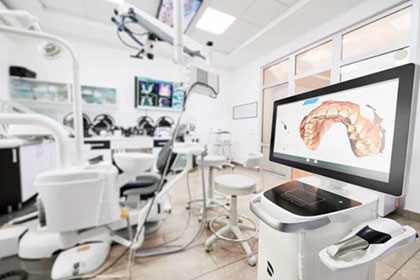 Walk into Flikier Dental Institute, and you’ll experience the difference that cutting-edge technology makes:
3D Cone Beam CT Imaging: We don’t guess where your nerves and sinuses are—we know. CBCT scans create a detailed 3D map of your jawbone, showing us density, dimensions, and anatomical structures. This allows surgical planning with unprecedented precision.
A revolutionary system that extends the capabilities of our system for simplified and more accurate implant procedures. X-Guide boasts dynamic 3D navigation that delivers interactive, turn-by-turn guidance ,giving us the ability to improve the precision and accuracy of implant POSITION, ANGLE, and DEPTH.
Guided Surgery Systems: Using your CT scan, we design your procedure digitally, then use surgical guides that position implants exactly as planned. This accuracy improves osseointegration by ensuring optimal bone contact and reducing surgical trauma.
Platelet-Rich Fibrin (PRF): We can process your own blood to create a healing concentrate rich in growth factors. Applied during surgery, PRF accelerates osseointegration and reduces healing time. This biological approach harnesses your body’s natural healing mechanisms.
Digital Impressions: No more gagging on impression material. We use intraoral scanners that capture precise digital models of your mouth. The result? Better-fitting crowns and prosthetics that don’t interfere with your implants’ integration.
🗓️ What to Expect During Your Osseointegration Journey

- Pre-Surgery (1-2 weeks before)
Start any prescribed antibiotics or anti-inflammatories. Optimize your nutrition—your body needs building blocks for bone formation. Stop smoking. Arrange time off work (plan for 3-5 days of recovery after surgery, though you’ll feel increasingly better each day).
- Surgery Day
The actual implant placement typically takes 1-2 hours for multiple implants. You’ll receive sedation or anesthesia options suited to your comfort level and the complexity of surgery.
Most patients report that the anticipation was worse than the procedure itself.
- Early Healing (Days 1-14)
Expect swelling and discomfort, manageable with prescribed pain medication. Stick to soft foods, think protein shakes, scrambled eggs, and mashed potatoes. No smoking, no drinking through straws (the suction can disrupt healing), and gentle oral hygiene around surgical sites.
- Osseointegration Phase (Months 1-6)
You’ll return to normal activities, but your implants are working beneath the surface. Keep your follow-up appointments so we can monitor healing. Report any signs of trouble, persistent pain, loosening implants, or infection, immediately.
- Final Restoration (Month 6+)
Time for your permanent crowns or prosthetics. We’ll take final impressions, match your tooth color precisely, and attach your new teeth. Then you test drive them, and we make any necessary adjustments.
- Lifelong Maintenance
Treat your implants like natural teeth. Brush twice daily, floss (yes, really), and visit us or your local dentist for regular cleanings. Implants don’t get cavities, but the surrounding gum tissue needs care. With proper maintenance, your osseointegration success story continues for decades.
💎 The Bottom Line: Your Investment in Understanding Pays Off
 Osseointegration isn’t just scientific jargon; it’s the biological foundation that makes dental implants one of modern dentistry’s greatest achievements.
When you understand how your body transforms titanium into bone, you appreciate why implants succeed, what can go wrong, and how to maximize your outcomes.
At Flikier Dental Institute, we believe informed patients make the best partners in treatment. We don’t just place implants and hope for the best. We engineer success through meticulous planning, advanced technology, biological optimization, and comprehensive patient education.
Ready to transform your smile with Costa Rica dental implants backed by science?
Your osseointegration journey begins with a conversation.
Contact Flikier Dental Institute today for a complimentary consultation and discover why patients from across North America trust us with their smiles and their confidence.
 Or Call Toll Free 1-866-638-1102


 If your file is bigger than 20 Megs you can use our Dropbox account.
